UHMWPE Crane Outrigger Pads
Core Features
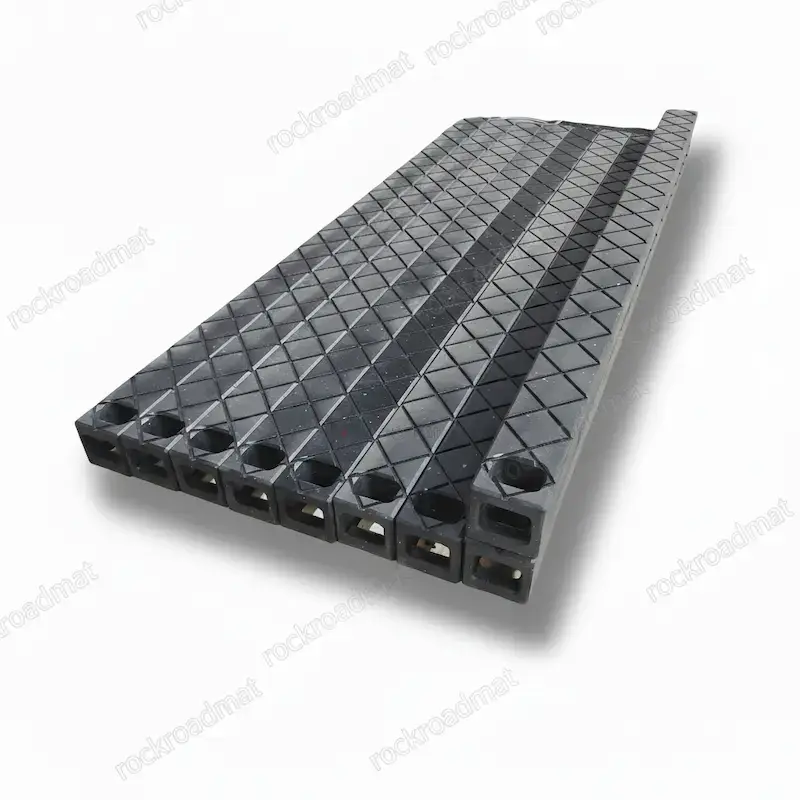
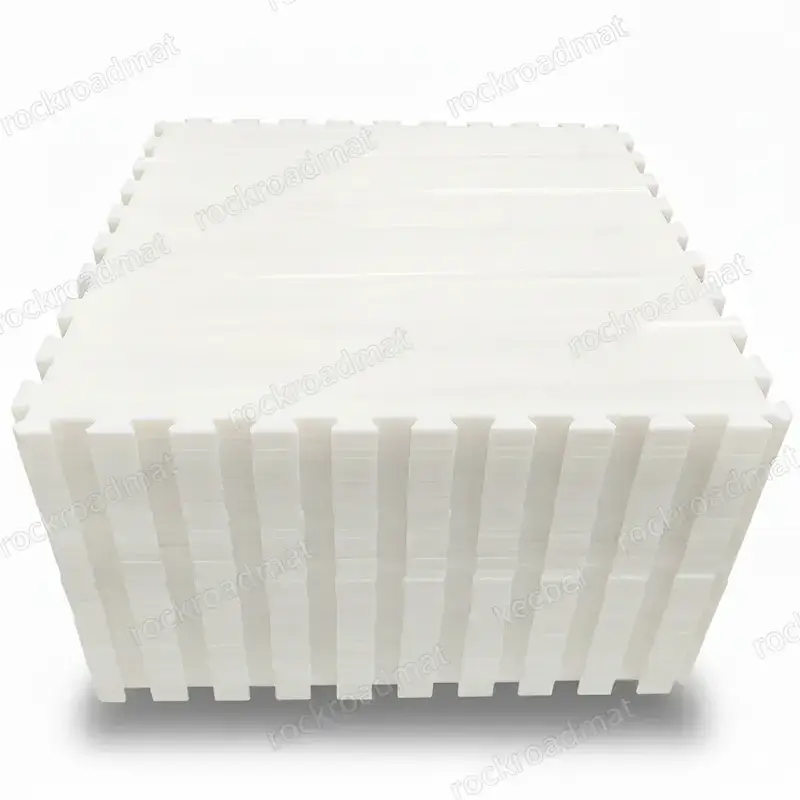
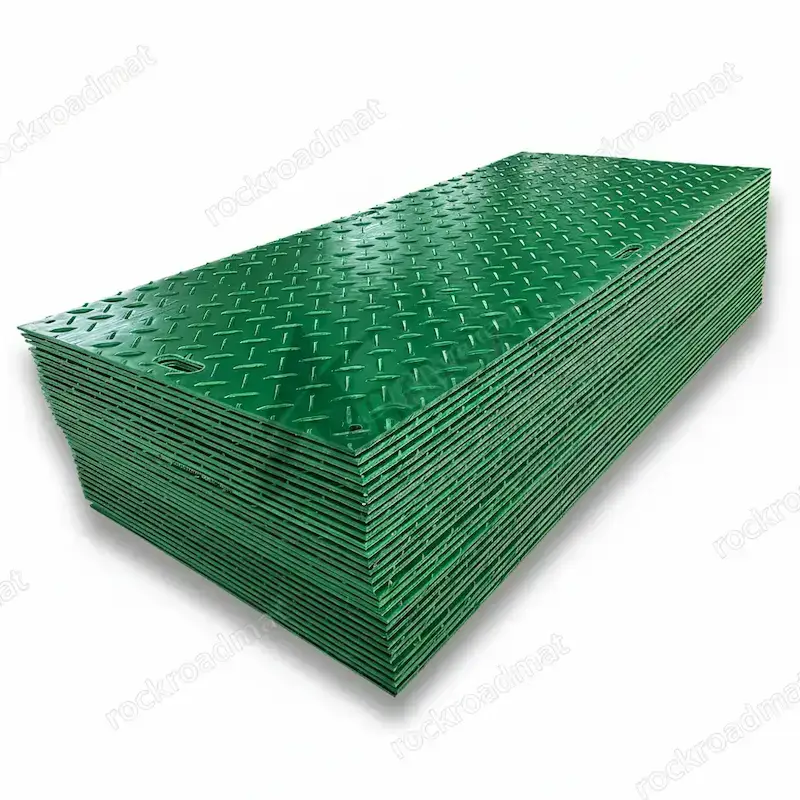
Our UHMWPE outrigger pads provide durable load distribution and ground support for cranes and heavy lifting equipment operating on firm, soft, muddy or uneven surfaces.
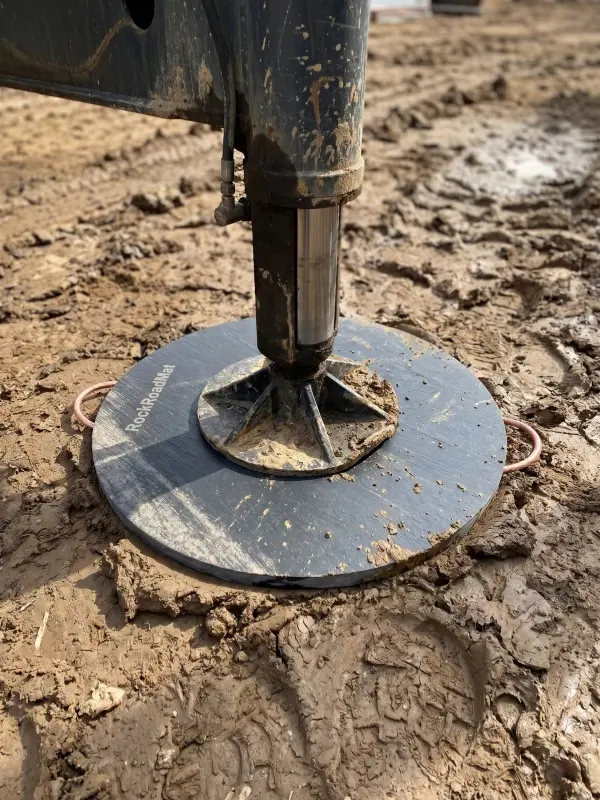
Superior Load Distribution
Engineered from UHMWPE, these outrigger pads help spread concentrated loads from crane and lifting equipment over a larger contact area, reducing ground pressure and providing stable support on demanding job sites.
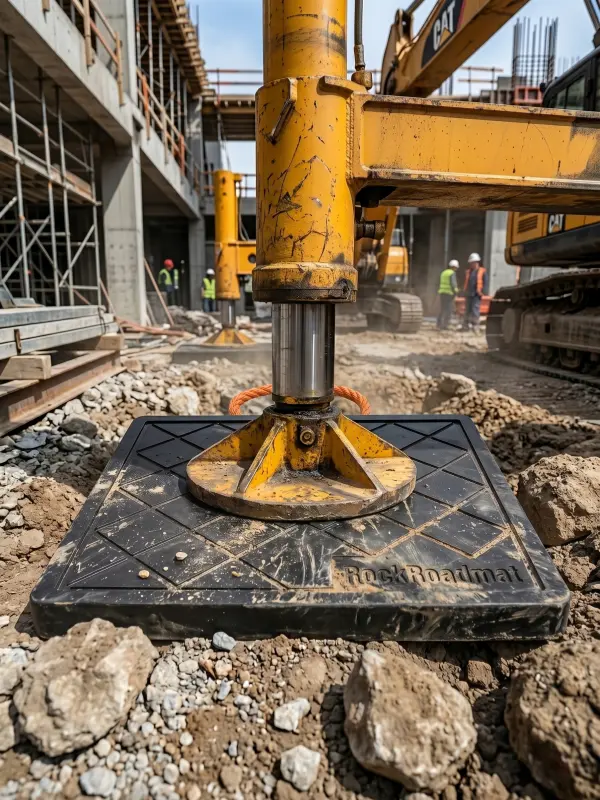
Excellent Wear & Impact Resistance
UHMWPE provides excellent abrasion and impact resistance for repeated use in construction, lifting and industrial environments. Its durable material properties help the pads withstand frequent handling, transport and demanding ground conditions.
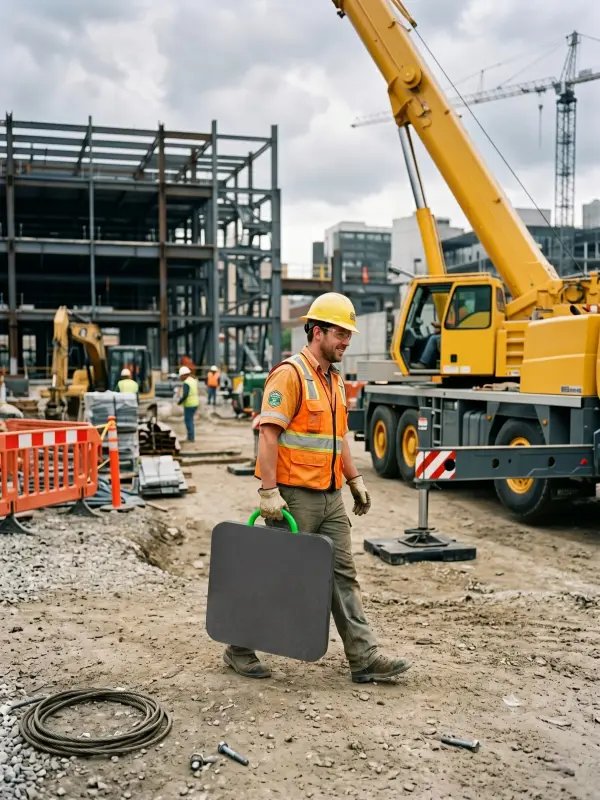
Lightweight & Easy Handling
Compared with traditional steel support plates, UHMWPE outrigger pads are significantly lighter and easier to transport, position and remove on site. Integrated or optional handles can further improve handling efficiency for repeated field use.
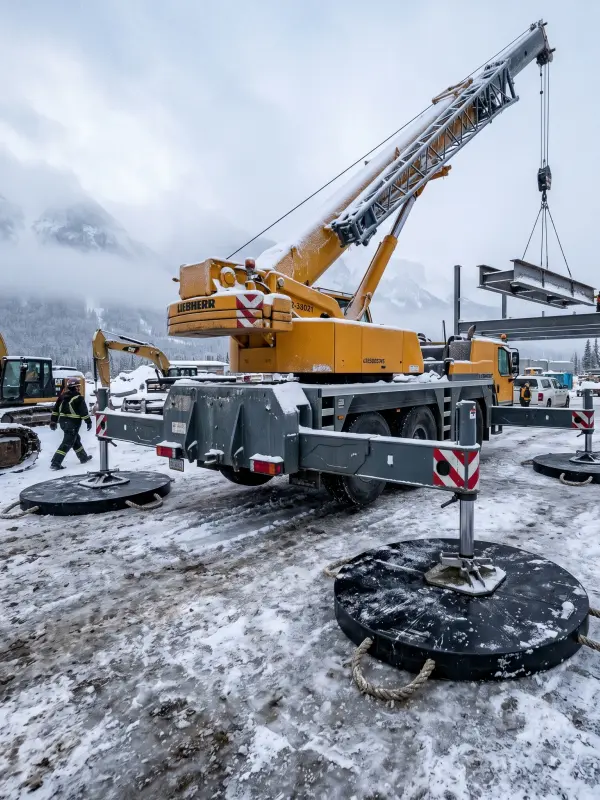
Weather & Corrosion Resistant
UHMWPE has very low moisture absorption and good resistance to corrosion, many chemicals and outdoor weathering. These properties make outrigger pads suitable for repeated use in wet, muddy and challenging job-site conditions.
Outrigger Pad Types & Product Range
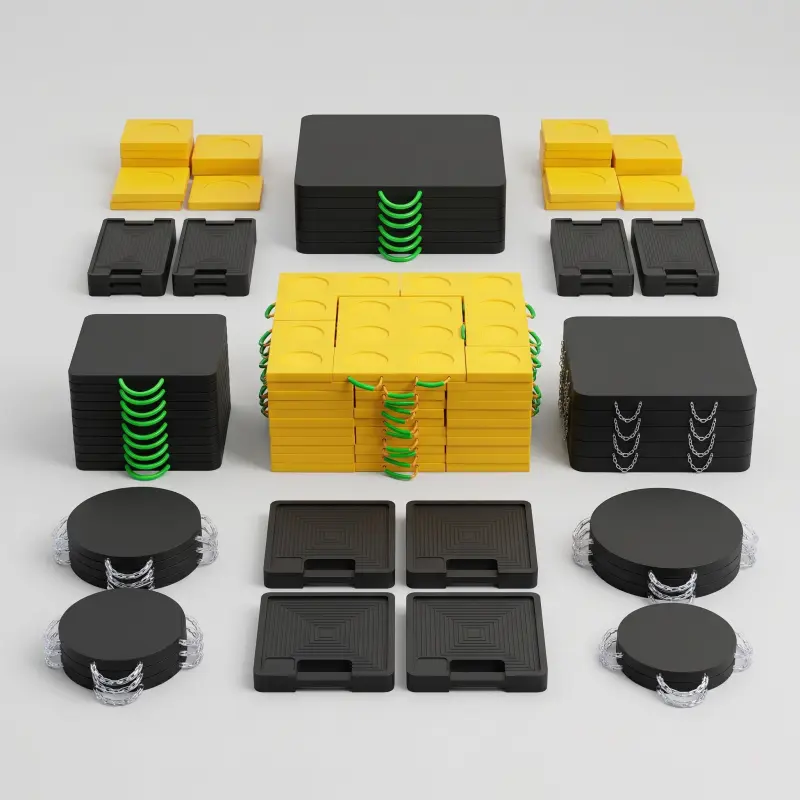
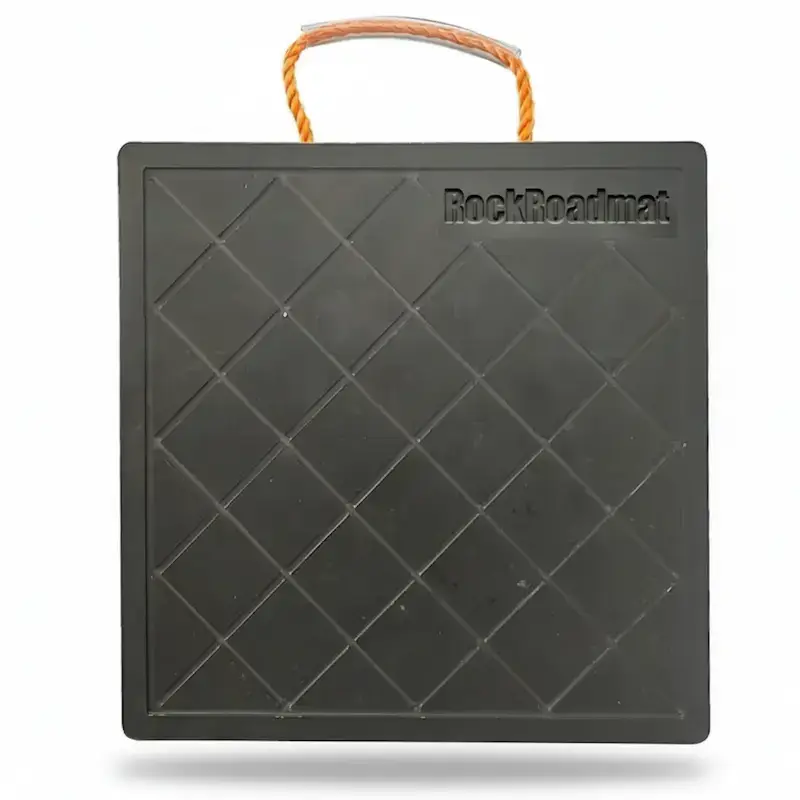
Standard Outrigger Pads
Durable UHMWPE outrigger pads designed for cranes, boom trucks, concrete pumps and other equipment using stabilizing outriggers.
Reliable Load Distribution
Helps spread concentrated outrigger loads over a larger surface area to reduce ground pressure.
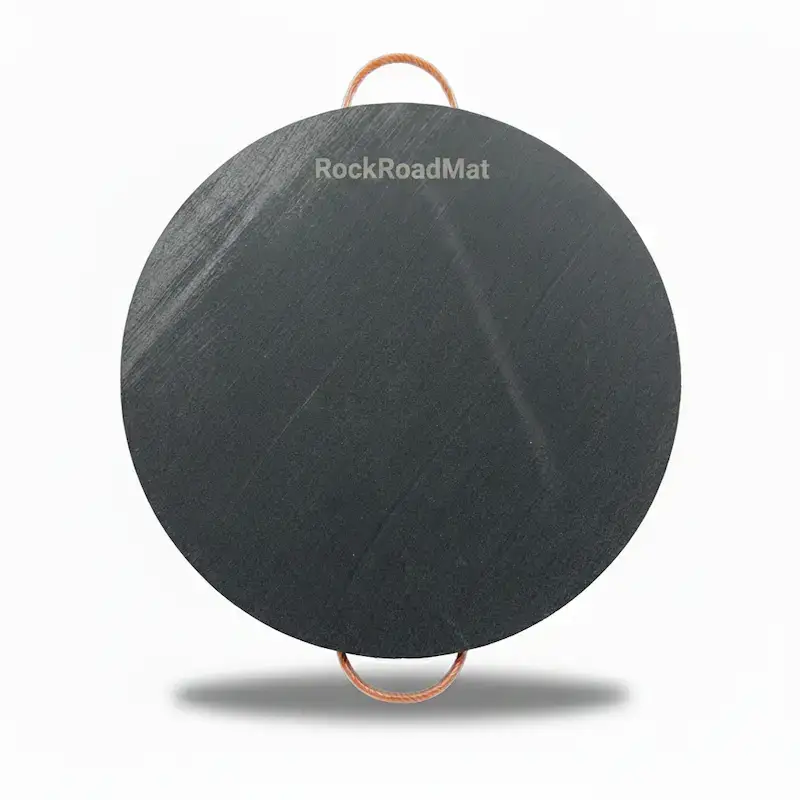
Square & Round Options
Available in square and round configurations with multiple size and thickness options.
Lightweight Handling
Lighter than traditional steel support plates, making transport, positioning and removal easier on site.
Practical Handle Options
Available with integrated or optional handles to support easier carrying, positioning and repeated field use.
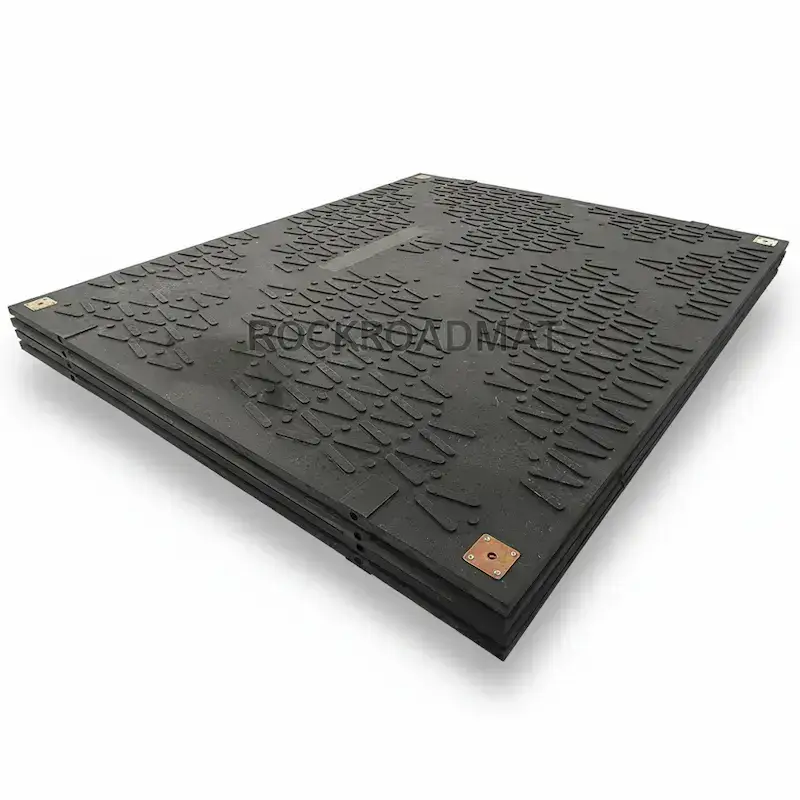
Anti-Slip Outrigger Pads
Anti-slip outrigger pads are designed for applications where additional surface grip is needed, helping improve contact stability on wet, muddy, uneven or sloped ground conditions.
Designed for wet, muddy, uneven or low-traction job-site conditions where additional grip is beneficial.
Enhanced Surface Grip
Textured surface patterns help increase friction between the pad, outrigger foot and supporting ground.
Heavy-Duty Ground Support
Combines the load-distribution performance of UHMWPE outrigger pads with additional surface traction for demanding lifting applications.
Custom Configuration Options
Pad dimensions, thickness, handle arrangements and surface configurations can be adapted to specific equipment and project requirements.
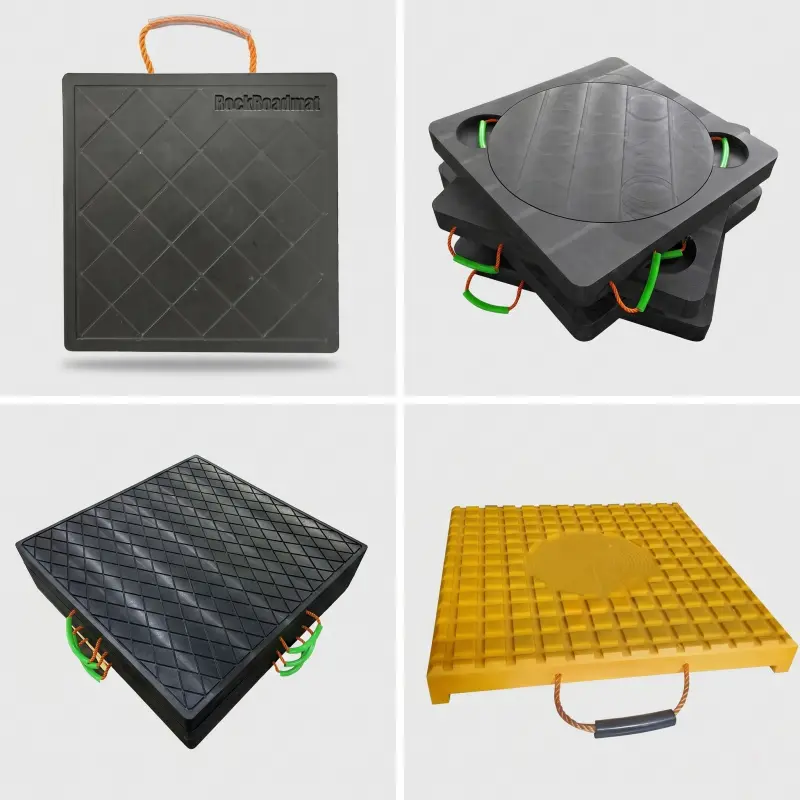
Available Anti-Slip Surface Patterns
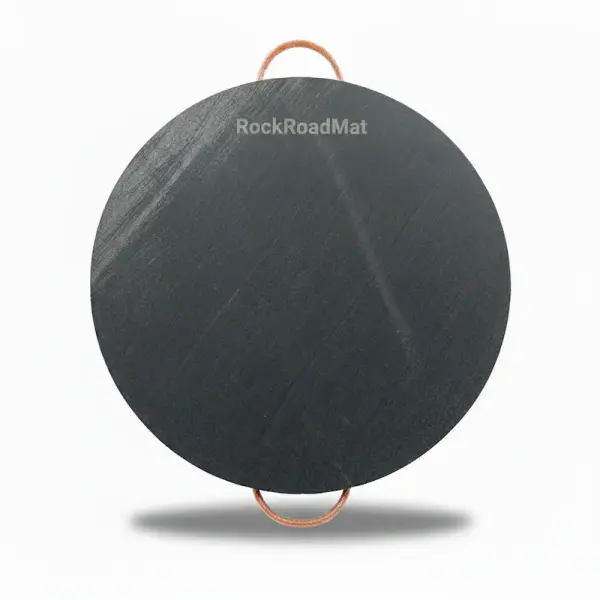
Matte Textured Surface
Provides balanced surface grip with good wear resistance, suitable for general lifting and everyday job-site use.
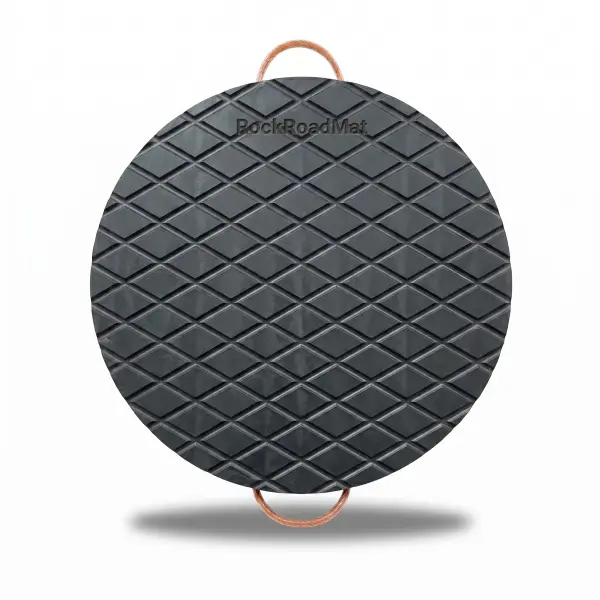
Diamond Surface
Raised diamond texture provides additional traction on slippery or uneven ground, helping improve contact stability during lifting operations.
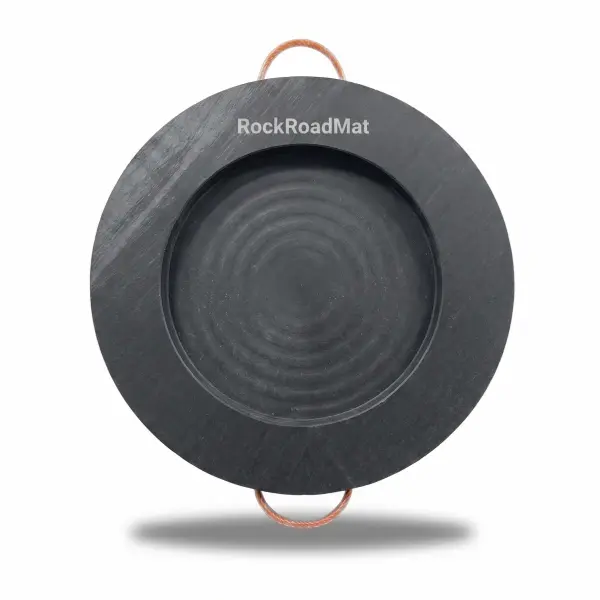
Recessed Center
The recessed center helps locate the outrigger foot and provides a defined contact area to reduce unwanted lateral movement during use.
How to Choose the Right Outrigger Pad
Selecting the right outrigger pad depends on more than equipment load alone. Outrigger load, foot dimensions, ground conditions and pad configuration should all be considered when selecting a suitable pad for your lifting application.
Outrigger Load Requirements
Consider the maximum expected load at each outrigger when determining the required pad size, thickness and load distribution area.
Job-Site Ground Conditions
Evaluate the supporting surface, such as concrete, compacted ground, gravel, mud or soft soil, as ground conditions directly affect the required load distribution area.
Outrigger Foot Size & Shape
Check the dimensions and shape of the outrigger foot to ensure proper contact, positioning and load transfer onto the selected pad.
Pad Type & Configuration
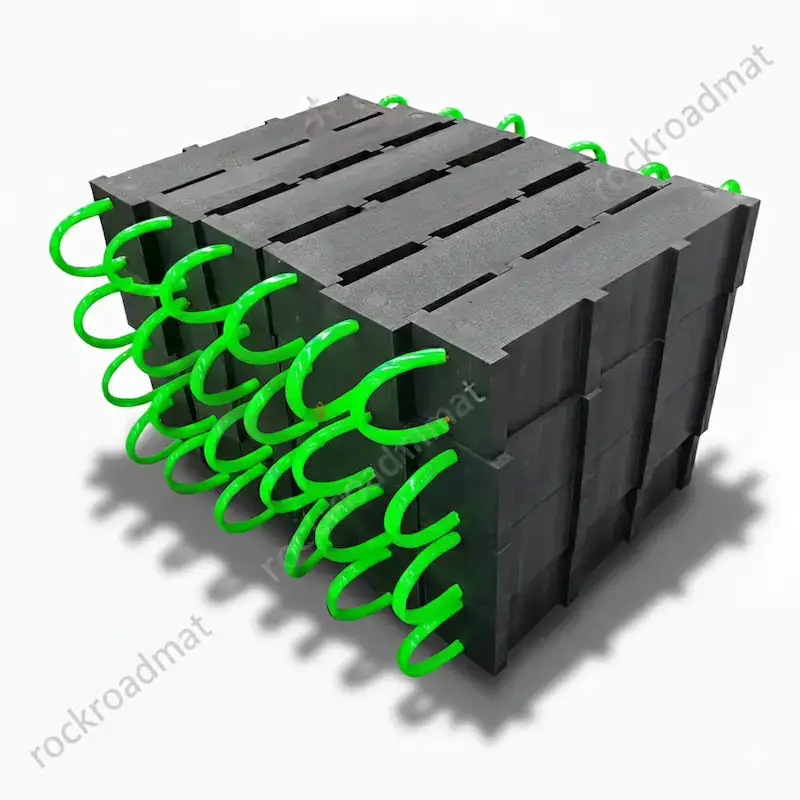
Choose Standard, Anti-Slip or Modular outrigger pads based on ground conditions, required support area, equipment configuration and operating environment.
Product Comparison & Selection Guide
| Feature / Type | Standard Outrigger Pads | Anti-Slip Outrigger Pads | MODULAR OUTRIGGER PADS |
|---|---|---|---|
| Load Capacity | |||
| Typical Application | General lifting operations on flat, stable ground | Lifting operations on muddy, wet, or uneven terrain | Large cranes, heavy-duty lifts, and irregular outrigger footprints |
| Surface Design | Smooth or lightly textured surface | Sand-textured, diamond-pattern, or grooved anti-slip surfaces | Sand-textured, diamond-pattern, or grooved anti-slip surfaces |
| Stability Level | Good stability on dry and solid ground | Enhanced stability with superior grip | Maximum stability through load distribution |
| Ground Conditions | Concrete, asphalt, compacted soil | Mud, gravel, sand, uneven or soft ground | Soft soil, slopes, confined or irregular surfaces |
| Customization Options | Size, thickness, color, logo | Surface pattern, size, thickness, color, logo | Module size, configuration, surface pattern, color, logo |
Choosing the right outrigger pad depends on ground conditions, load requirements, and lifting frequency. Standard pads are ideal for stable surfaces, while anti-slip pads provide enhanced safety on challenging terrain. Modular outrigger pads offer maximum flexibility and load distribution for complex heavy lifting operations.
Typical Outrigger Pad Sizes & Specifications
Load Rating Note: Rated loads are reference values under firm, dry, level and stable ground conditions. Actual suitability may vary depending on ground conditions, load distribution, equipment type and operating environment. Other sizes and thicknesses are available upon request.
Square Pads
| PAD SIZE | THICKNESS | WEIGHT | RATED LOAD |
|---|---|---|---|
| 500 × 500 mm / 1.6 × 1.6 ft | 50 mm / 2.0 in | 12.5 kg / 27.6 lbs | 18 tons |
| 600 × 600 mm / 2.0 × 2.0 ft | 50 mm / 2.0 in | 18.0 kg / 39.7 lbs | 25 tons |
| 800 × 800 mm / 2.6 × 2.6 ft | 50 mm / 2.0 in | 32.0 kg / 70.5 lbs | 40 tons |
| 1000 × 1000 mm / 3.3 × 3.3 ft | 60 mm / 2.4 in | 58.0 kg / 127.9 lbs | 70 tons |
| 1200 × 1200 mm / 3.9 × 3.9 ft | 80 mm / 3.1 in | 118.0 kg / 260.1 lbs | 120 tons |
Round Pads
| Ø600 mm / Ø2.0 ft | 50 mm / 2.0 in | 14.0 kg / 30.9 lbs | 25 tons |
|---|---|---|---|
| Ø800 mm / Ø2.6 ft | 50 mm / 2.0 in | 25.0 kg / 55.1 lbs | 35 tons |
| Ø1000 mm / Ø3.3 ft | 50 mm / 2.0 in | 37.5 kg / 82.7 lbs | 50 tons |
| Ø1000 mm / Ø3.3 ft | 60 mm / 2.4 in | 44.5 kg / 98.1 lbs | 60 tons |
| Ø1200 mm / Ø3.9 ft | 80 mm / 3.1 in | 87.0 kg / 191.8 lbs | 120 tons |
FAQ about Outrigger Pads
What are outrigger pads used for?
Outrigger pads are placed beneath crane and equipment outriggers to spread concentrated loads over a larger surface area. They help reduce ground pressure and provide a more stable support interface during equipment setup.
What are outrigger pads made of?
Outrigger pads can be made from several materials, including engineered plastics, wood and metal. RockRoadMat outrigger pads are primarily made from UHMWPE, combining high wear and impact resistance with low weight, corrosion resistance and very low moisture absorption.
How big should outrigger pads be?
The required outrigger pad size depends on the expected outrigger load, outrigger foot size and shape, ground conditions and the required load distribution area. Larger or softer-ground applications generally require a larger supporting area, while pad thickness must also be selected for the specific load and configuration.
Should outriggers be used without pads?
Whether an outrigger pad is required depends on the equipment manufacturer’s instructions, outrigger load, ground bearing conditions and applicable safety requirements. Pads are commonly used where additional load distribution and ground support are needed, particularly on soft, uneven or sensitive surfaces.
How do you determine outrigger pad size and load requirements?
Start with the maximum expected load at each outrigger, then consider the outrigger foot dimensions, ground bearing conditions and required contact area. These factors are used together to select an appropriate pad size, thickness and configuration rather than relying on equipment capacity alone.
What is the difference between Standard, Anti-Slip and Modular outrigger pads?
Standard outrigger pads are suitable for general lifting and support applications. Anti-Slip pads provide additional surface grip for wet, muddy or uneven conditions, while Modular pads are designed for applications requiring a larger or configurable support area.
Can outrigger pads be customized for different equipment and applications?
Yes. Depending on project requirements, outrigger pads can be supplied in different sizes, thicknesses, square or round shapes, handle configurations, colors and surface options. For project-specific selection, provide the equipment type, expected outrigger load, outrigger foot dimensions, ground conditions and required quantity.