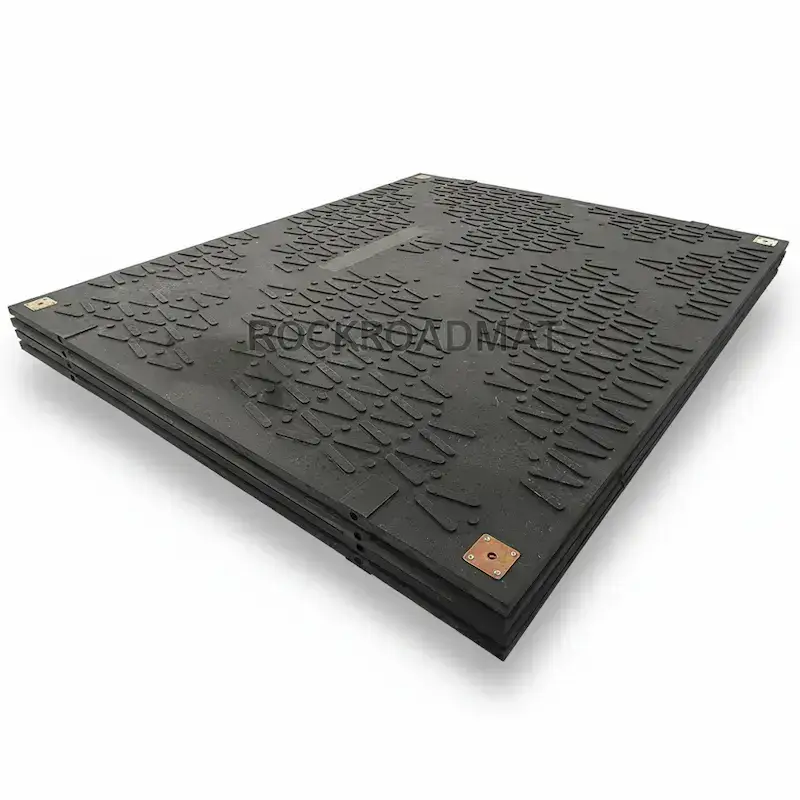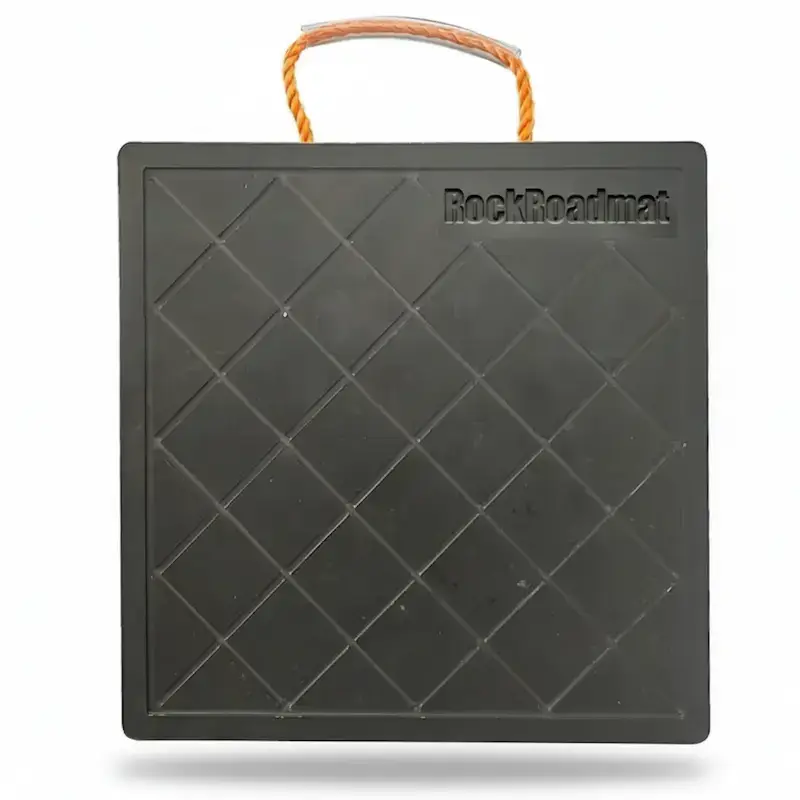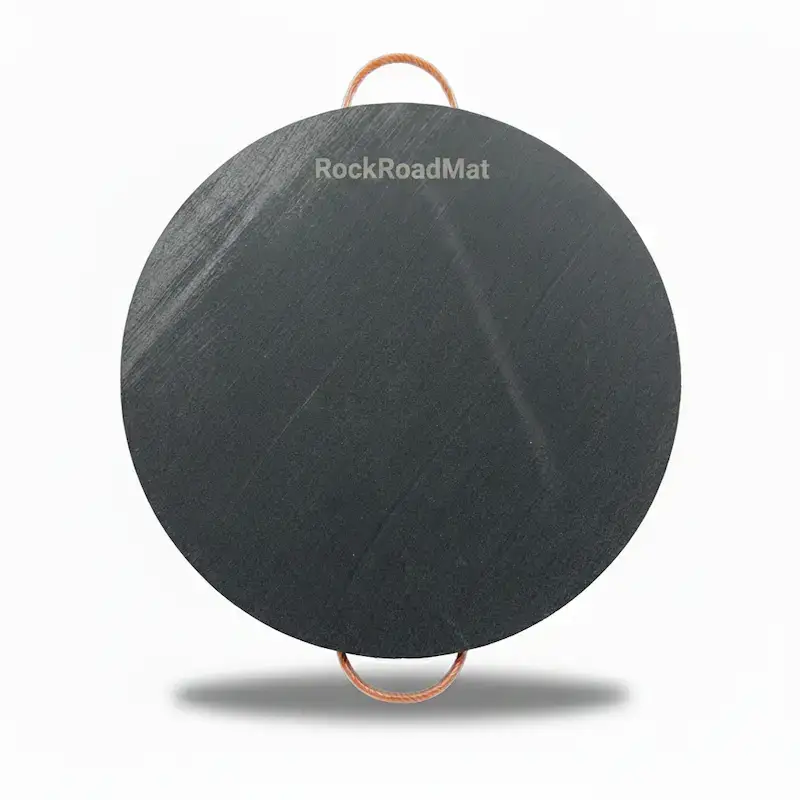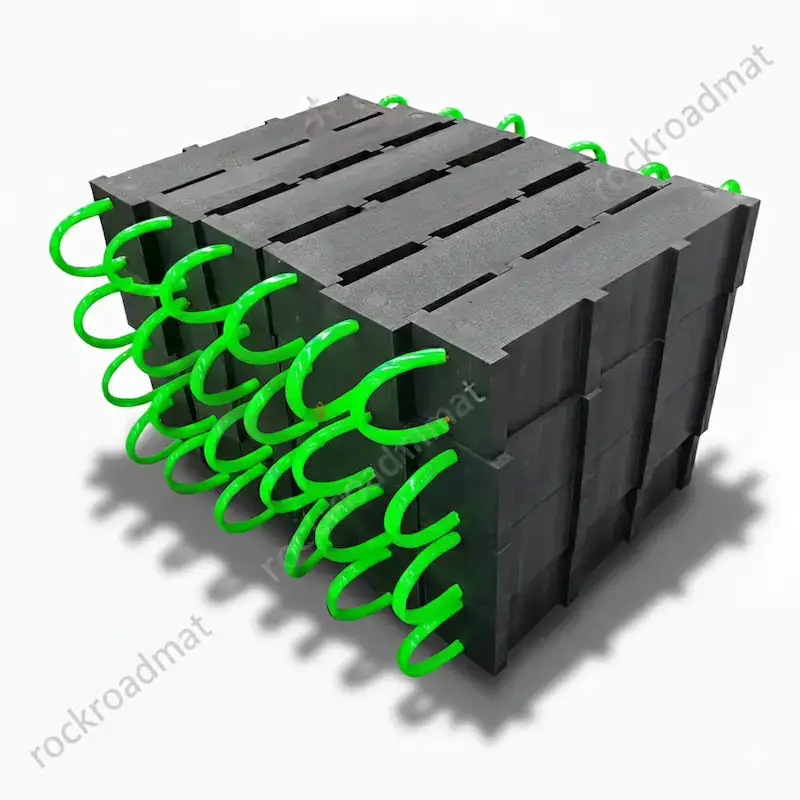
Plastic Cribbing Blocks, Sleepers & Load Blocks
Core Features
Key performance advantages of plastic cribbing blocks, sleepers and load blocks for demanding industrial support applications.
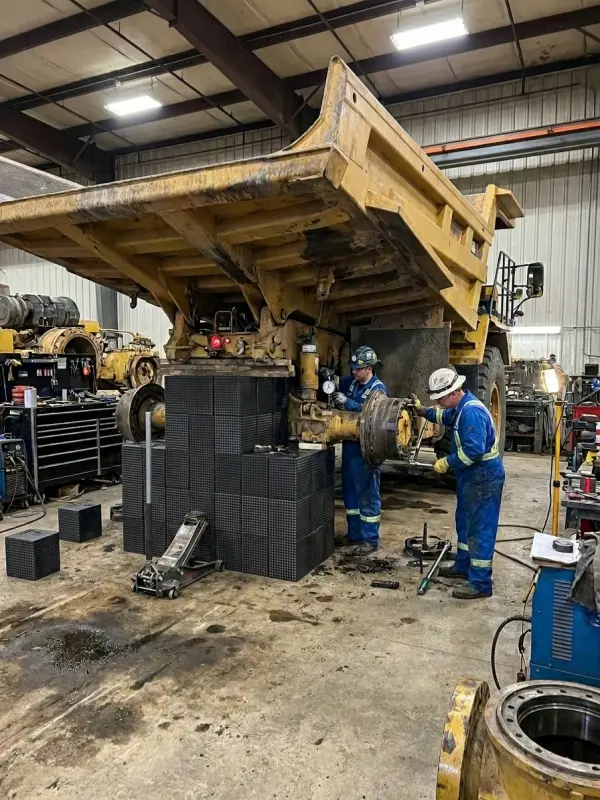
Heavy-Duty Load Support
Plastic sleepers and load blocks are designed to provide stable support and effective load distribution for heavy equipment, molds, tooling and other industrial applications. Solid UHMWPE and compact load block configurations are well suited to demanding support and stabilization needs where reliable load-bearing performance is required.

Low Maintenance & Long Service Life
Durable plastic sleepers and cribbing blocks require minimal routine maintenance and are designed for repeated industrial use. Their resistance to wear, impact and moisture helps reduce deterioration over time, providing a practical alternative to conventional wood blocking and cribbing in many applications.
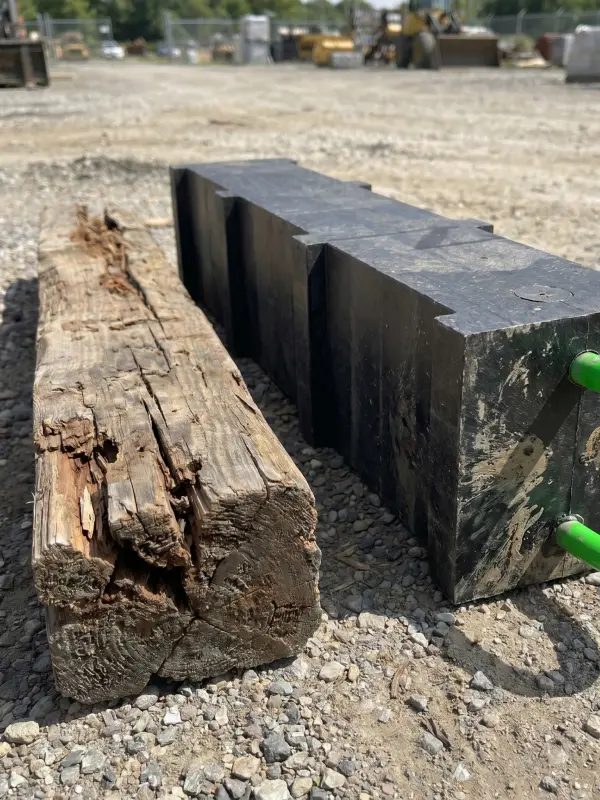
Built for Harsh Environments
UHMWPE and Composite HDPE plastic cribbing products resist moisture, corrosion and common industrial exposure, making them suitable for wet, dirty and demanding working conditions. Unlike timber cribbing, they do not absorb water, rot or splinter during repeated use.
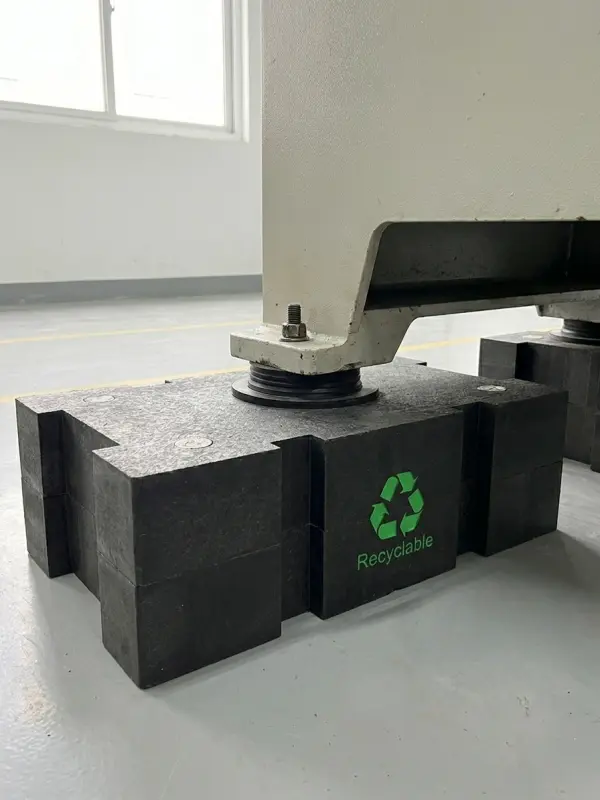
Safer, Smarter & Eco-Friendly
Plastic cribbing blocks provide consistent, splinter-free support without the moisture absorption, rotting or cracking commonly associated with timber cribbing. Their durable, reusable construction supports cleaner handling and repeated industrial use, helping reduce frequent replacement and material waste associated with conventional wood blocking.
Plastic Sleeper & Load Block Series
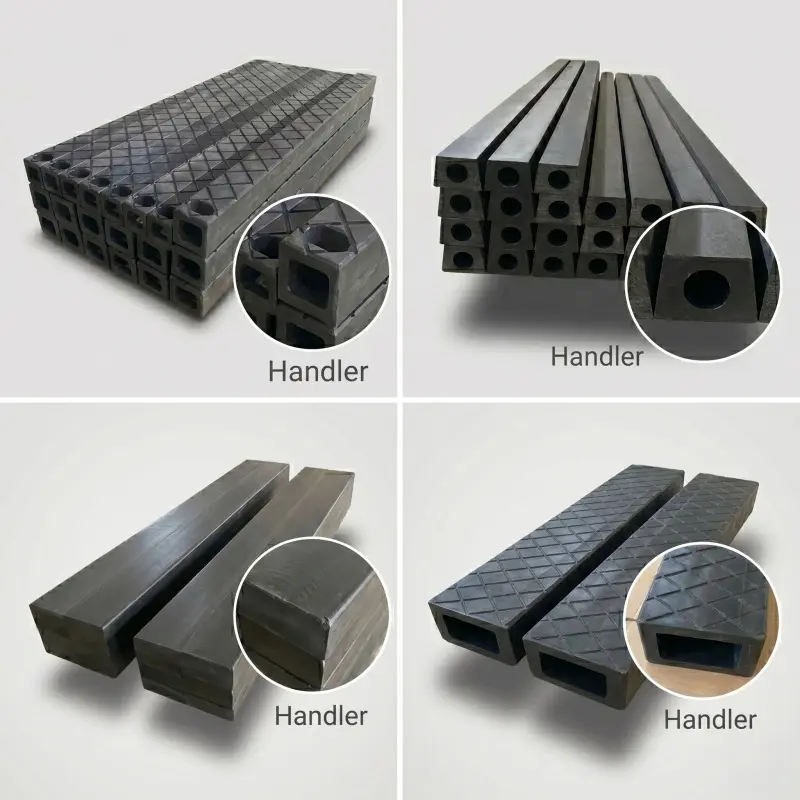
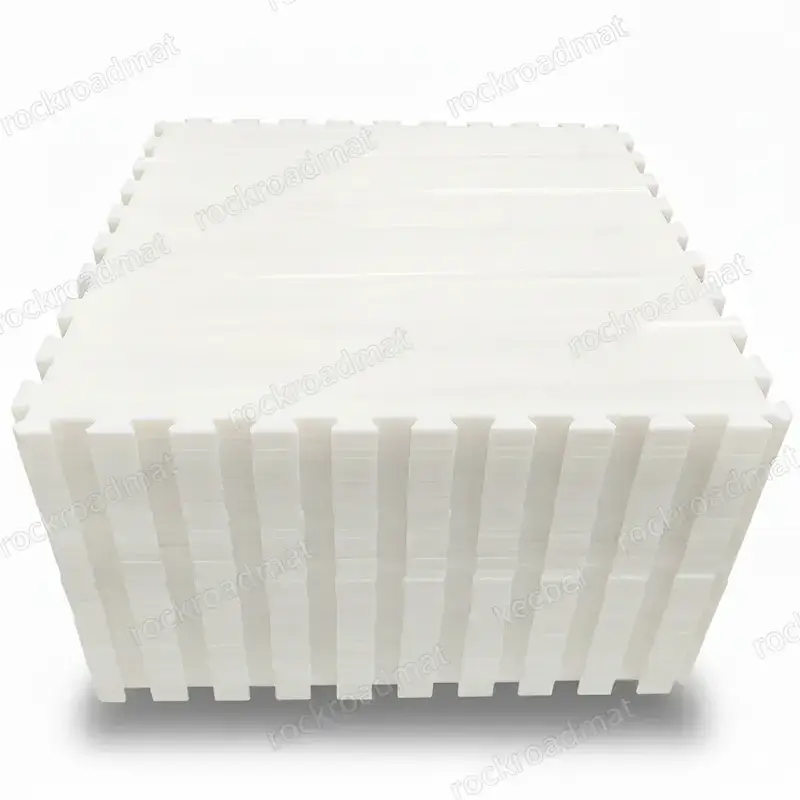
Standard Solid Plastic Sleepers
Exceptional Load-Bearing Stability
Solid UHMWPE sleepers provide stable load distribution and dependable support for heavy equipment, molds and tooling, making them suitable for demanding industrial cribbing and machinery support applications.
High Impact & Wear Resistance
UHMWPE offers strong resistance to impact, abrasion and repeated handling, helping solid plastic sleepers maintain reliable performance in demanding industrial working conditions.
Dimensional Stability Under Load
The solid rectangular profile provides consistent contact and stable positioning under distributed loads, making it a practical choice for equipment support, blocking and industrial cribbing applications.
Suitable for Heavy Industrial Duty
Designed for heavy machinery, molds and industrial tooling, solid plastic sleepers provide durable support where strength, stability and repeated use are key requirements.
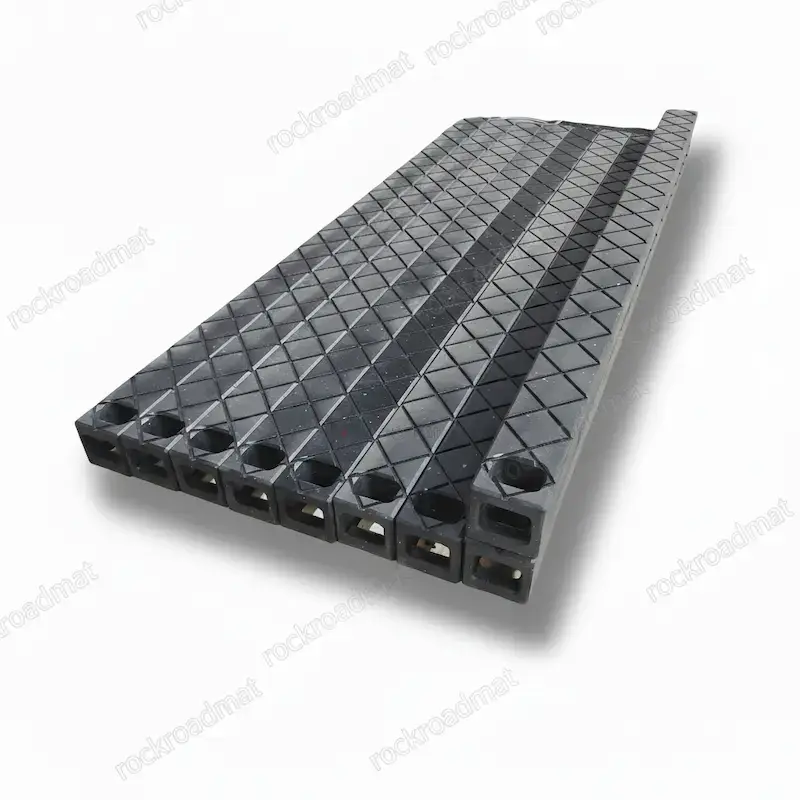
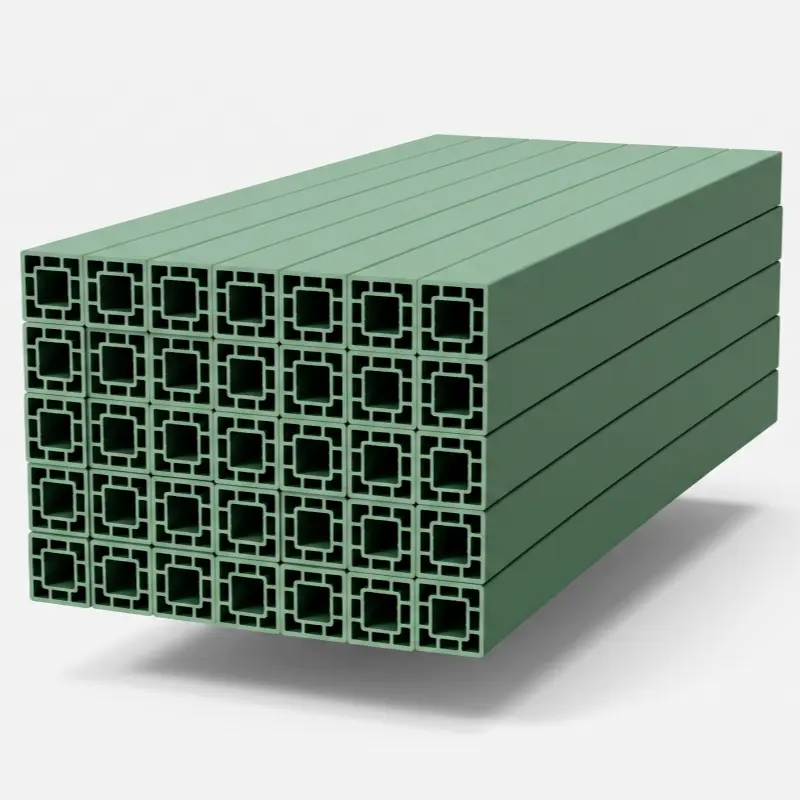
Hollow Composite Plastic Sleepers
Reinforced Hollow Structure
Made from Composite HDPE, the reinforced hollow profile balances structural support with reduced weight, providing a practical solution for distributed-load applications.
Lightweight & Easy Handling
The hollow construction reduces overall weight, making these plastic sleepers easier to move, position and rearrange during storage, material handling and routine operations.
Stable Distributed Load Support
The wide profile helps spread loads across the supporting surface, providing stable support for stored materials, equipment and industrial components.
Ideal for Storage & Logistics
Hollow composite sleepers are well suited to warehouse storage, logistics staging and material handling where reusable support, easier handling and moisture resistance are important.
Plastic Load Blocks
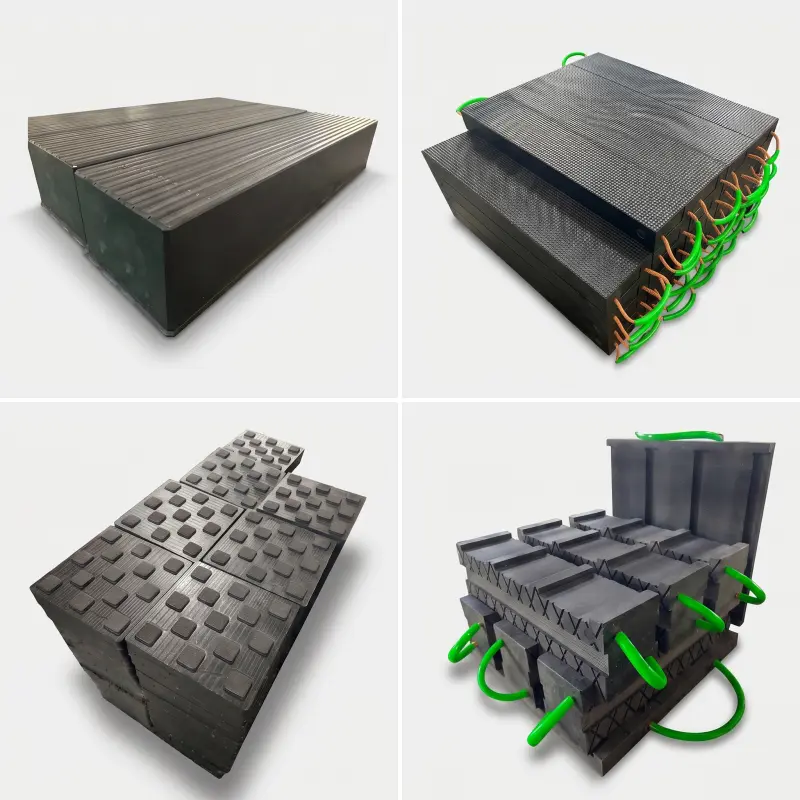
Compact High-Load Support
Solid UHMWPE load blocks provide stable localized support for machinery, molds and industrial equipment where concentrated loads need to be transferred through a compact contact area.
Impact & Wear Resistance
UHMWPE offers strong resistance to impact, abrasion and repeated handling, making plastic load blocks suitable for demanding industrial support and cribbing applications.
Precise Positioning & Leveling
Compact block shapes make equipment positioning, leveling and height adjustment easier where full-length sleepers are unnecessary or space is limited.
Versatile Industrial Applications
Plastic load blocks are practical for machinery support, tooling and mold storage, maintenance work and other applications requiring durable, reusable point-load support.
Product Comparison & Selection Guide
Use this guide to quickly identify the right plastic sleeper or load block for your application. Compare structure, material, load type and typical applications to select a suitable solution for industrial equipment support, storage and tooling.
| PRODUCT TYPE | STRUCTURE | MATERIAL | IDEAL LOAD TYPE | KEY ADVANTAGES | BEST FIT APPLICATIONS |
|---|---|---|---|---|---|
| Standard Solid Plastic Sleepers | Solid rectangular profile | UHMWPE | Distributed loads | High stability, impact and wear resistance, durable support under repeated industrial use | Heavy molds, machinery bases, industrial tooling and equipment support |
| Hollow Composite Plastic Sleepers | Reinforced hollow profile | Composite HDPE | Distributed loads | Reduced weight, easier handling, moisture resistance and practical structural support | Warehouse storage, logistics staging and material handling |
| Plastic Load Blocks | Solid compact block | UHMWPE | Point or concentrated loads | Compact support, impact and wear resistance, easy positioning and suitability for confined spaces | Equipment leveling, machinery positioning, tooling and mold support |
Load Type Consideration: Solid and Hollow Sleepers are primarily suited to distributed loads, while Plastic Load Blocks are better suited to point or concentrated support.
Handling & Installation: Hollow Composite Sleepers offer lower weight and easier handling, while Solid Sleepers and Load Blocks provide more compact, robust support where stability is the priority.
Environmental Suitability: All three product types resist moisture and common industrial exposure. Select the product structure primarily according to load type, support area and handling requirements.
FAQ about Sleepers & Load Blocks
What are plastic cribbing blocks used for?
Plastic cribbing blocks are used to support, stabilize and distribute loads beneath heavy equipment, machinery, molds and industrial tooling. Depending on the required support area and load type, sleepers or compact load blocks can be selected for different cribbing and blocking applications.
Can plastic cribbing be used for heavy equipment and cranes?
Plastic cribbing products can be used for heavy equipment and selected crane-support applications when the material, block dimensions, support area and load conditions are properly matched. Product selection should always be based on the actual equipment load and support configuration.
What sizes are available for plastic load blocks and sleepers?
Plastic load blocks and sleepers are available in a range of sizes and profiles, including solid sleepers, reinforced hollow sleepers and compact support blocks. Custom dimensions can also be supplied according to the required support area and application. Refer to the Datasheet or contact us for available size options.
What is the weight capacity of plastic load blocks?
The load capacity of a plastic load block depends on its material, dimensions, contact area, load distribution and actual support arrangement. There is no single capacity value that applies to every block size. For load-critical applications, provide the load and support details for product selection.
What materials are used for plastic sleepers and load blocks?
RockRoadMat solid plastic sleepers and load blocks are made from UHMWPE for impact, wear and repeated-use resistance. Hollow Composite Plastic Sleepers use Composite HDPE to provide structural support with reduced weight and easier handling.
What is the difference between plastic sleepers and load blocks?
Plastic sleepers have a longer support profile and are primarily suited to distributed loads over a larger contact area. Plastic load blocks are more compact and are better suited to point or concentrated support, equipment positioning, leveling and confined spaces.
How should plastic cribbing be selected for an application?
Selection should consider the equipment load, load distribution, required support area, ground or supporting surface, block dimensions and intended configuration. Cribbing should be positioned on a stable supporting surface and used according to the equipment manufacturer’s applicable lifting and support procedures.